How Wall Paneling Changed the way we view walls
Wall paneling is back in vogue, bringing a timeless blend of elegance and warmth to modern interiors. Once seen as a traditional feature, it's now being reimagined with contemporary twists, making it a go-to choice for designers and homeowners alike. Whether it's classic wood, sleek modern panels, or textured finishes, wall paneling adds depth, character, and a sense of luxury to any space, proving that some trends are truly timeless.
"Exploring the Evolution of Wall Paneling Across Time"


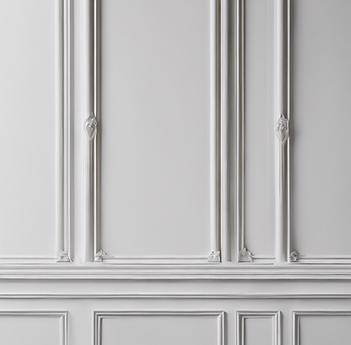
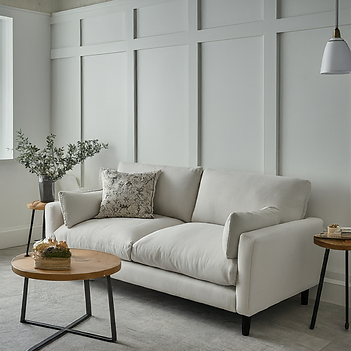
Ancient Beginnings
Wall paneling has a rich history dating back to ancient civilizations. The earliest forms of wall paneling can be traced to the Egyptians, who used stone and wood panels in their grand temples and palaces. These panels were often intricately carved and depicted scenes of daily life, religious rituals, and the grandeur of their gods.
In ancient Greece and Rome, wall paneling evolved to include marble and mosaics, with panels serving both decorative and functional purposes. They provided insulation, helped control the acoustics within large rooms, and, importantly, showcased the wealth and status of the homeowner.
Medieval and Renaissance Europe
During the medieval period, wood paneling became increasingly popular across Europe, particularly in castles and large estates. The wainscoting style, where the lower half of walls was covered with wood paneling, became a staple. This style not only added warmth to cold stone walls but also offered protection against dampness.
The Renaissance era saw a resurgence of classical ideals, and with it came more elaborate and artistic paneling. Craftsmen began to experiment with different types of wood, finishes, and designs, leading to the intricate and luxurious panels that adorned the walls of the wealthy.
The 18th and 19th Centuries
The 18th century marked the golden age of wall paneling in Europe, especially in France and England. Rococo and Georgian styles featured highly decorative panels with ornate carvings, gilding, and painted scenes. Paneling was a way to demonstrate refinement and taste, with entire rooms sometimes dedicated to showcasing the artistry of wall treatments.
In the 19th century, with the advent of the Industrial Revolution, paneling became more accessible to the middle classes. Advances in manufacturing allowed for the mass production of panels, making it possible for more people to adorn their homes with styles previously reserved for the elite.
The 21st Century Revival
In recent years, wall paneling has experienced a significant revival, becoming a trendy and desirable feature in modern homes. This resurgence can be attributed to several factors:
1.Nostalgia and Heritage: As people have become more interested in restoring older homes and preserving historical features, wall paneling has made a comeback. It adds character and a sense of history to a space, something that many modern interiors lack.
2.Versatility and Customization: Modern wall paneling is incredibly versatile, with a wide range of materials, finishes, and designs available. Whether it's traditional wainscoting, sleek modern panels, or textured surfaces, paneling can be customized to fit any interior style.
3.Sustainability: With a growing emphasis on sustainability and eco-friendly design, many homeowners are turning to wood paneling as a natural and renewable material. It also has the added benefit of improving insulation and reducing energy costs.
4.Aesthetic Appeal: Wall paneling adds depth, texture, and warmth to a room. It can be used to create focal points, accentuate architectural features, or simply add a touch of elegance. In a world dominated by flat, sterile surfaces, the richness of paneling offers a welcome contrast.
5.Interior Design Trends: Current interior design trends emphasize the importance of layering textures and materials. Wall paneling fits perfectly into this trend, offering a way to add visual interest and complexity to a space.
Wall paneling has come full circle, from ancient stone carvings to the height of luxury in European palaces, to a more humble decline, and now back to being a symbol of style and sophistication. Its renewed popularity in modern homes reflects a broader desire to blend the old with the new, creating interiors that are both timeless and contemporary.